16oz Tow Sipper Glass Can Mockup 1
A Designer’s First Glance: Clean, Casual, and Ready for Real Life
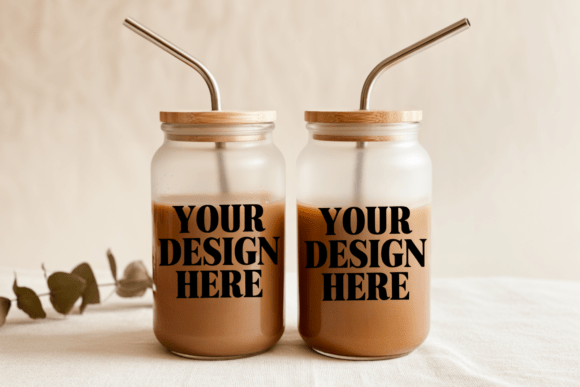
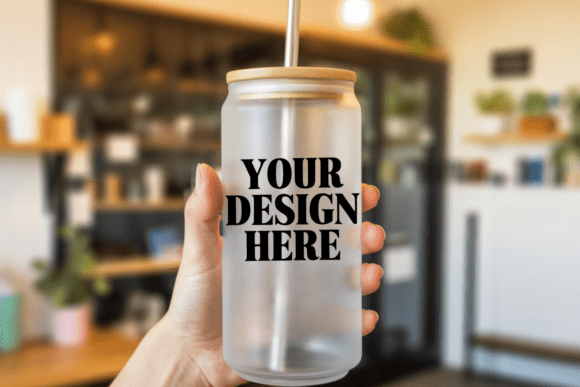
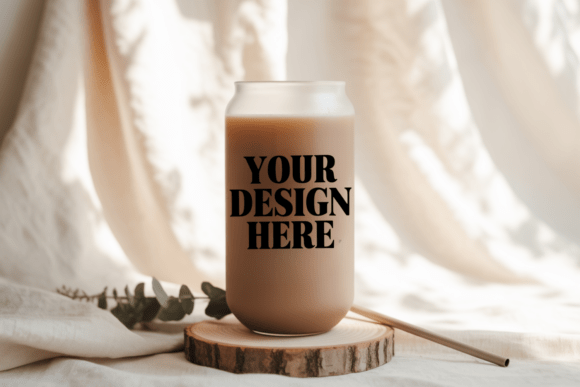
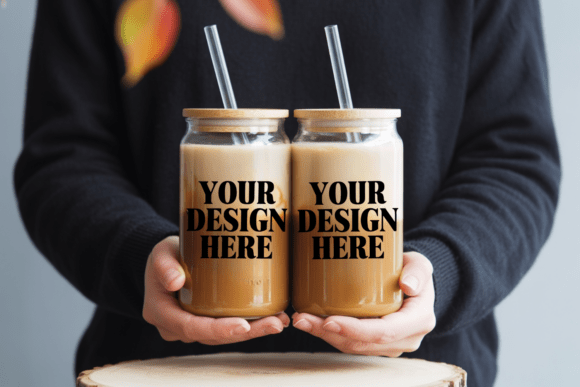
When I opened 16oz Tow Sipper Glass Can Mockup 1, my eye went straight to the balance — not too busy, not too sparse. It’s got that relaxed, sunlit café vibe: a tall, slender glass can with condensation beads, a rolled towel draped just so, and subtle shadowing that implies weight and texture. As an embroidery designer who’s stitched everything from baby onesies to boutique aprons, I immediately asked: Where would this live after it’s stitched? Not on a screen — on something tactile, used, loved. A linen tea towel for a wedding gift? A cotton tote for a local coffee roaster? A lightweight sweatshirt for summer markets? Yes — all of those.
How It Translates Off-Screen and Onto Fabric
This isn’t a design built for pixel-perfect digital galleries alone. 16oz Tow Sipper Glass Can Mockup 1 holds up in real embroidery because its core elements are stitch-friendly: clean outlines, generous negative space around key shapes (like the towel fold and glass rim), and no micro-detail traps — no tiny stems, no hair-thin lettering, no overlapping satin-stitch layers that’ll gum up your needle. That means fewer thread breaks, smoother hooping, and faster digitizing if you’re adapting it for applique or layered fill stitch.
I tested a similar layout last month on a medium-weight canvas tote — same relaxed silhouette, same emphasis on shape over fussy detail — and customers consistently commented on how “crisp but soft” it felt. That’s the sweet spot 16oz Tow Sipper Glass Can Mockup 1 occupies: professional enough for a small shop’s branding, warm enough for a personalized gift.
Where It Shines (and Where to Pause)
Shines on:
- Tote bag design — especially natural canvas or heavy cotton, where the mockup’s clean lines read clearly even at 4–5 inches wide
- Sweatshirt embroidery — the vertical rhythm fits perfectly centered on chest or lower back, avoiding seam distortion
- Tea towels and kitchen linens — its casual elegance reads well next to mugs, herbs, and handwritten recipe cards
- Embroidered patch — simple enough to stitch cleanly in 3–4 thread colors, stable enough for iron-on or sew-on backing
- Holiday or wedding gifts — feels personal without being cutesy; pairs beautifully with neutral fabric and matte thread
Use thoughtfully on:
- Stretchy fabric — the clean curves demand solid stabilization; skip it for unlined jersey unless you’re using cutaway + basting spray
- Dark fabric — test light-thread contrast first; some satin-stitch areas may need a slightly heavier density or underlay to pop
- Curved surfaces like caps — the height-to-width ratio works, but avoid placing it too close to the bill seam where distortion creeps in
- Thin or sheer fabric — stabilizer choice is non-negotiable here; tear-away alone won’t hold the towel drape’s gentle folds
What It Does for Your Craft Business — Beyond the Stitch
As someone who’s helped Etsy sellers reposition their listings based on mockup psychology, I’ll say this plainly: 16oz Tow Sipper Glass Can Mockup 1 builds trust. It doesn’t scream “digital file” — it whispers “handmade product.” That matters when buyers scroll past dozens of embroidered totes or baby blankets. They’re not buying stitches; they’re buying intention, care, and quiet confidence. This mockup delivers that tone consistently — whether you’re showing a single sweatshirt on Instagram or building a full printable mockup pack for fellow designers.
For commercial embroidery shops, it’s a low-risk, high-recognition asset. Clients understand it instantly — no explaining “what’s a ‘sipper’?” — and it scales well across formats. Want to offer matching holiday sets? Add a minimalist mug design beside it. Launching a new craft fair line? Use 16oz Tow Sipper Glass Can Mockup 1 as your anchor visual, then extend into coordinating patches or pillow covers.
Practical Notes Every Embroidery Designer Should Check
Before stitching your first run — or listing a finished product — take five minutes to verify these:
- Test on scrap fabric — especially if you’re using textured weaves or eco-cotton blends; see how the towel drape reads in fill stitch
- Check thread color contrast — try it in ecru on navy, charcoal on oat, and black on cream; note where satin stitch edges soften
- Review stitch density — if your version includes dense fill areas, confirm it runs smoothly on your machine at mid-speed
- Confirm hoop size compatibility — does it fit cleanly in your most-used hoops without awkward re-hooping?
- Inspect small details — zoom in on condensation dots and towel edge definition; are they distinct or likely to blur on low-DPI embroidery?
- Test black-and-white mockups — many buyers browse in grayscale mode; ensure legibility holds
- Compare light vs. dark fabric backgrounds — does the design retain its warmth on both, or does it flatten on black?
- Use proper stabilizer — medium-weight cutaway for structured items, tear-away + topping for nap-free linens
- Verify licensing — if you plan to sell finished embroidered goods or bundle this as part of a digital embroidery file pack, double-check usage rights for Product Mockups
Final Thought: A Quiet Workhorse, Not a Flashy Gimmick
16oz Tow Sipper Glass Can Mockup 1 won’t stop scrollers with neon gradients or animated effects — and it shouldn’t. Its strength is in reliability, versatility, and that rare quality: timelessness without stiffness. It belongs in your working folder next to your go-to monogram files and seasonal borders — not as decoration, but as a tool that helps your handmade product feel intentional, grounded, and quietly memorable. Whether you’re stitching for a client’s boutique launch or prepping a batch of personalized gifts for your own shop, this one earns its place by making good work look effortless.