16oz Libbey Glass Can Mockup 8
A Designer’s First Glance: Clean, Confident, and Ready for Real Life
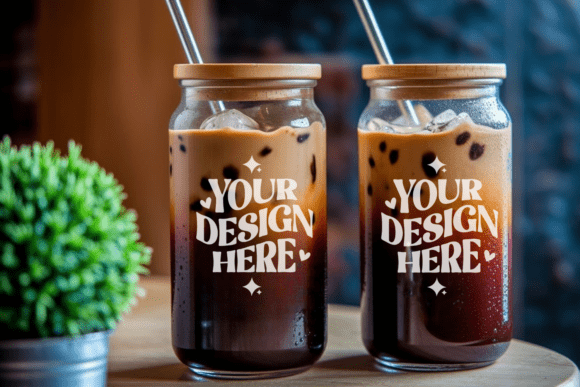
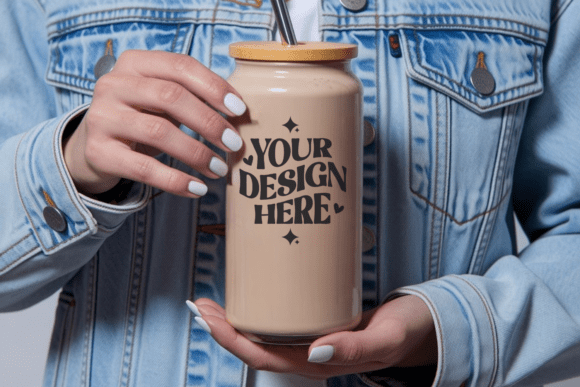
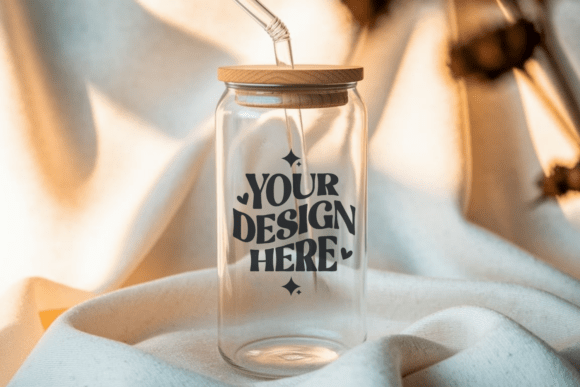
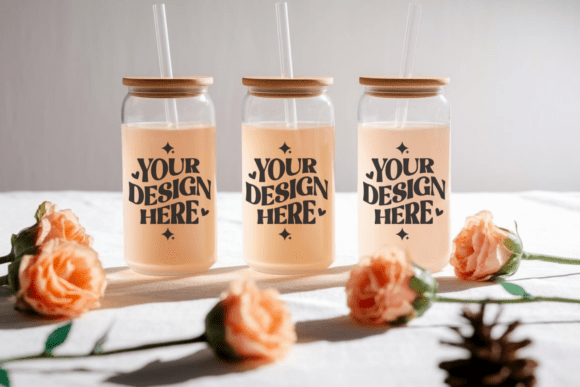
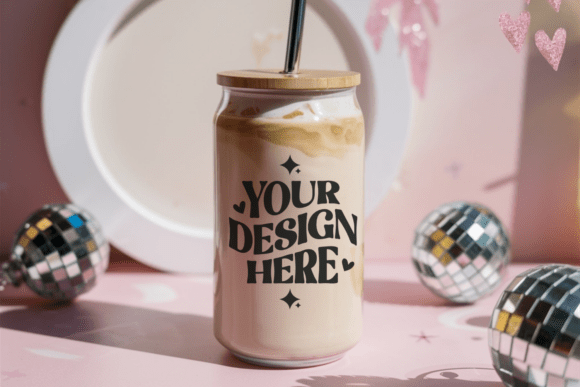
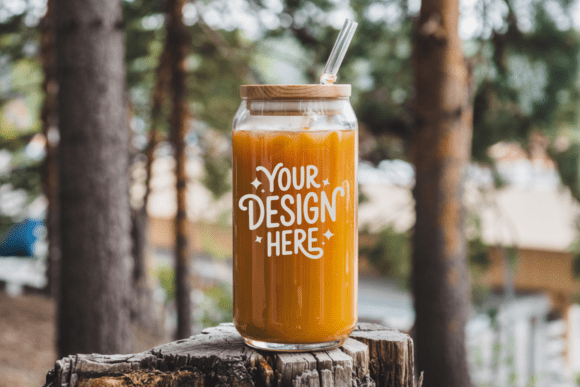
When I opened 16oz Libbey Glass Can Mockup 8, my first thought wasn’t “pretty”—it was “practical.” The shape is unmistakably the classic Libbey glass can: tall, slightly tapered, with that subtle curve at the base and clean vertical lines. It doesn’t shout—it leans into quiet confidence. That’s rare in product mockups, especially ones meant for embroidery preview. This isn’t a flashy, over-illustrated scene; it’s a grounded, dimensional representation of how your stitched design would sit on an actual glass can—ideal for branding beverage merch, boutique kitchen goods, or craft fair totes with themed accessories.
Where It Lives Best: From Sweatshirts to Small Shop Shelves
I recently used 16oz Libbey Glass Can Mockup 8 while prepping a custom embroidered tote bag line for a local coffee roaster. Their branding centers around handmade, small-batch drinks—and this mockup instantly communicated that vibe. The clean silhouette lets embroidery details shine without visual competition. It worked beautifully for sweatshirt embroidery mockups (especially crewnecks and relaxed-fit hoodies), baby embroidery on organic cotton onesies, and even as part of a holiday embroidery collection for tea towels and aprons. As a digital embroidery file preview tool, it gives Etsy sellers and craft business owners immediate credibility—customers see exactly how their personalized gift will look *on something real*, not just floating on white space.
For commercial embroidery projects, 16oz Libbey Glass Can Mockup 8 holds up across multiple applications: embroidered patches sewn onto denim jackets, applique designs on linen pillow covers, satin stitch labels on reusable water bottles, and even running stitch accents on woven blankets. Its balanced proportions mean it scales well—no distortion when resized for caps or tiny baby caps. And because it’s built for Product Mockups, it integrates cleanly into brand mood boards, Shopify product pages, and printable mockups for craft fair handouts.
Where to Pause and Plan Ahead
That said, 16oz Libbey Glass Can Mockup 8 isn’t magic—it’s a tool, and tools need thoughtful handling. On textured fabrics like terry cloth tea towels or looped fleece baby blankets, fine details (like thin stems or tight lettering) may blur unless you adjust stitch density or add a tear-away stabilizer underneath. On stretchy fabric—think ribbed knit baby onesies or lightweight jersey tees—test the design first: the mockup shows ideal geometry, but real-world tension shifts can pull delicate fill stitch areas out of alignment.
Dark fabric? No problem—but only if your embroidery file uses high-contrast thread colors. I always check 16oz Libbey Glass Can Mockup 8 in both light and dark background versions before finalizing a client presentation. Curved surfaces like caps require extra attention: the mockup shows the front-facing view, but remember that real cap embroidery compresses vertically. If your design includes tight corners or decorative flourishes near the rim, verify those elements translate cleanly when hooped on a curved surface.
What It Adds to Your Finished Product—Beyond Looks
This mockup quietly lifts the perceived value of your handmade product. When customers see 16oz Libbey Glass Can Mockup 8 paired with your embroidery file on an Etsy listing, they don’t just imagine a design—they imagine holding that glass can, feeling its weight, seeing how the thread catches light beside condensation. That builds trust. It tells them you’ve thought about context, not just stitches.
For small shop owners and creative entrepreneurs, it reinforces brand consistency. Whether you’re selling personalized gifts for weddings or launching a summer beverage line, using 16oz Libbey Glass Can Mockup 8 across your digital assets creates cohesion—your Instagram post, your printable mockup, and your product page all speak the same visual language. And for holiday embroidery or nursery decor collections, it adds instant recognition: no explanation needed. People know that shape. They associate it with quality, refreshment, and care.
Practical Notes Every Embroidery Designer Should Keep Handy
- Always test on scrap fabric first—especially if pairing with dense fill stitch or layered applique design.
- Check thread color contrast against both light and dark fabric backgrounds before sending to production.
- Review stitch density: high-density areas may pucker on thin fabric unless stabilized properly.
- Confirm hoop size compatibility—some versions of this mockup assume standard 4x4 or 5x7 hoops, but verify before digitizing.
- Inspect small details like stems, script tails, or inner highlights—they’re often where embroidery files lose clarity.
- Try a black-and-white version of the mockup: it reveals balance and legibility better than color alone.
- Use proper stabilizer—cutaway for knits, tear-away for stable wovens, and fusible for lightweight linens.
- Double-check licensing: if you plan to sell finished products or resell the digital embroidery file, confirm usage rights apply to commercial embroidery and craft business use.
Final Thought: A Quiet Workhorse, Not a Flashy Gimmick
16oz Libbey Glass Can Mockup 8 won’t go viral. It won’t dominate Pinterest feeds with glitter or animation. But it will help you land more custom apparel orders, close more boutique branding projects, and build repeat customers who trust your eye for detail. It’s the kind of design asset that gets quieter the more you use it—because it simply works. Whether you're an Etsy seller refining your listings, a craft business owner prepping for holiday embroidery season, or a designer building a library of reliable design assets, this mockup earns its place—not by standing out, but by holding space, clearly and calmly, for your embroidery to speak for itself.