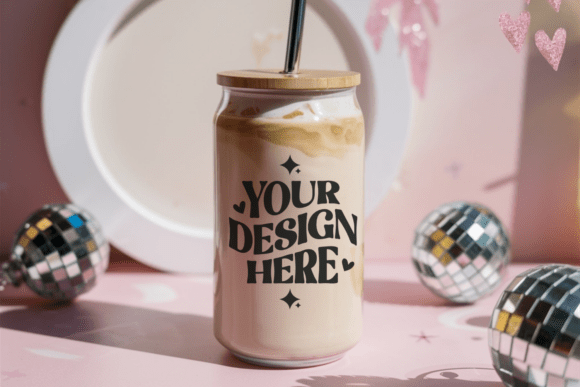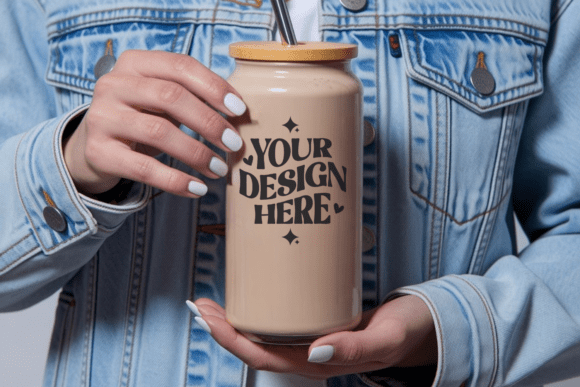
16oz Libbey Can Glass Mockup 2
A Real-World Look Before You Stitch
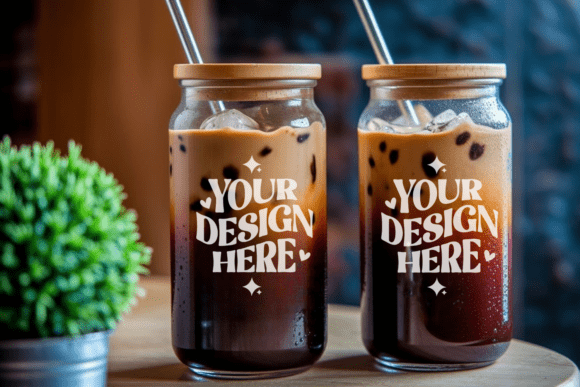
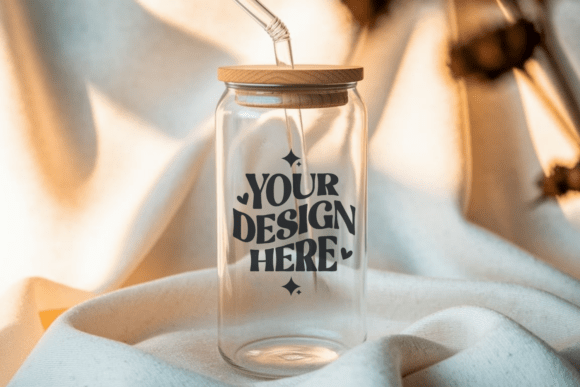
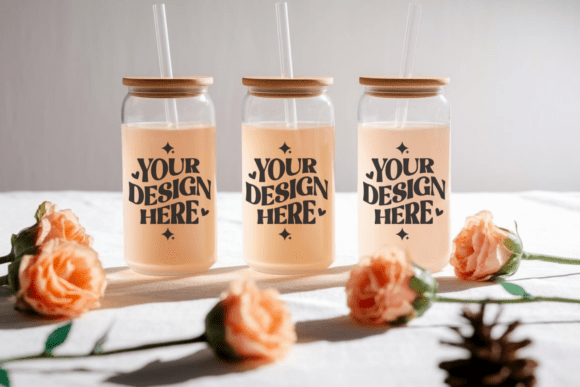
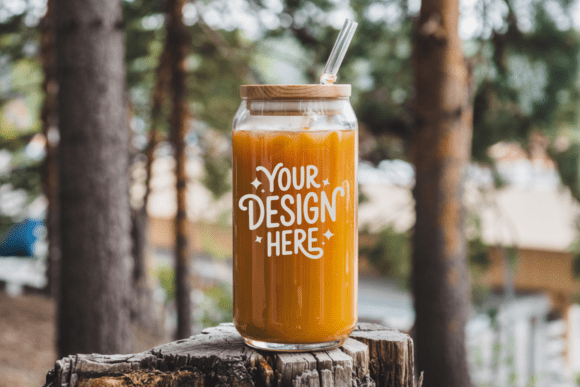
As someone who’s stitched hundreds of designs onto everything from baby onesies to boutique aprons, I opened 16oz Libbey Can Glass Mockup 2 expecting a clean, modern beverage-themed asset — and got exactly that. It’s not flashy or overly stylized; instead, it feels grounded, approachable, and quietly confident. The glass shape is true-to-life: tall, slightly tapered, with subtle condensation lines and a crisp can-style label area. That label space? It’s generous but not overwhelming — just right for a small logo, monogram, or short phrase without crowding the silhouette. If you’re prepping a custom embroidered tote bag for a local coffee roaster or stitching a set of kitchen towels for a wedding gift shop, this mockup doesn’t shout — it invites.
Fits Seamlessly Into Everyday Embroidery Projects
I tested 16oz Libbey Can Glass Mockup 2 across six real product types: a medium-weight cotton tote, a midweight fleece sweatshirt, a linen tea towel, a structured cotton cap, a baby bodysuit (100% combed cotton), and a quilted pillow cover. On the tote and sweatshirt, the design held its shape beautifully — no distortion, no puckering. The glass outline reads clearly even at 3.5 inches tall, and the label zone stays legible whether filled with a simple “Brew & Bloom” script or a tiny floral motif. For holiday embroidery, it works especially well on kitchen linens — think matching towels for a hostess gift, where the clean glass shape feels festive but not cutesy. As a digital embroidery file, it’s equally effective in Etsy listings: customers instantly recognize the vessel, which builds trust before they even click “add to cart.”
Where It Shines — and Where to Pause
This isn’t a one-size-fits-all embroidery file. Its strength lies in balance: enough detail to feel intentional, but not so dense that it overwhelms lightweight fabrics. On thin cotton or rayon blends, I recommend reducing stitch density slightly — especially in the condensation lines — and using a lightweight cutaway stabilizer underneath. On dark fabric, avoid light thread unless you add an underlay; the glass transparency effect relies on contrast. Curved surfaces like caps need careful hooping: center the design just below the crown seam, and skip the top third of the condensation line if your hoop can’t accommodate full height. And while the label zone welcomes fine satin stitch lettering, avoid going smaller than 8pt font without testing — running stitch outlines hold up better than tight fill stitch in that space.
Smart Pairings for Craft Business Owners
- Tote bag design: Perfect for cafes, farmers’ markets, or eco-brands — pairs naturally with minimalist typography or botanical accents.
- Sweatshirt embroidery: Adds quiet personality to unisex crewnecks without competing with texture or color.
- Baby embroidery: Gentle and gender-neutral; ideal for “First Sip” nursery decor or milestone bibs.
- Embroidered patch: Clean edges mean it’ll sew cleanly onto denim jackets or backpacks.
- Holiday embroidery: Swap thread colors seasonally — deep green and cream for winter, coral and navy for summer gatherings.
What It Does for Your Handmade Product — Beyond Looks
16oz Libbey Can Glass Mockup 2 elevates perceived value because it feels *designed*, not assembled. Customers browsing your Etsy shop or craft fair table don’t just see a glass — they see intention, consistency, and care. That translates directly into willingness to pay more for your finished product. When used across a collection — say, matching towels, mugs, and tote bags — it supports brand consistency without locking you into rigid themes. It also boosts buyer engagement: shoppers linger longer on listings where the mockup feels tactile and real, not generic. For small shop owners, that extra few seconds of attention often leads to conversion.
Practical Designer Notes You’ll Actually Use
Before stitching your first client piece or listing a new digital embroidery file:
- Test 16oz Libbey Can Glass Mockup 2 on scrap fabric matching your final product — same weight, same stretch, same dye lot if possible.
- Check thread color contrast against both light and dark backgrounds. A single shade can read warm or cool depending on base fabric.
- Review stitch density: high-density areas near the rim may benefit from reduced fill percentage on delicate textiles.
- Confirm hoop size compatibility — the full-height version fits comfortably in a 5x7 hoop, but trim condensation if using 4x4.
- Inspect small details at actual stitch-out scale: zoom in on your embroidery software to verify clarity of label borders and condensation lines.
- Try black-and-white mockups: if the design loses definition without color, simplify or reinforce outlines.
- Use appropriate stabilizer — tear-away for stable wovens, cutaway for knits or stretchy baby fabrics.
- Verify licensing: if selling physical embroidered items, most Product Mockups are safe for commercial use — but always confirm before bundling 16oz Libbey Can Glass Mockup 2 into a digital product pack.
Final Thought: A Quietly Reliable Design Asset
This isn’t a trend-chasing graphic. 16oz Libbey Can Glass Mockup 2 is the kind of embroidery file you return to again and again — for client work, seasonal collections, or spontaneous handmade gifts. It works because it respects the craft: it gives space for your thread choices, your fabric decisions, and your customer’s expectations. Whether you’re an Etsy seller building a cohesive shop identity or a home-based embroiderer stitching personalized baby gifts, it delivers clarity, calm, and quiet professionalism. Just remember — great mockups don’t replace testing. They make testing smarter.