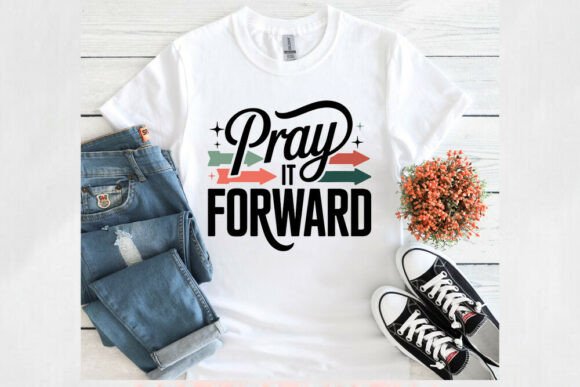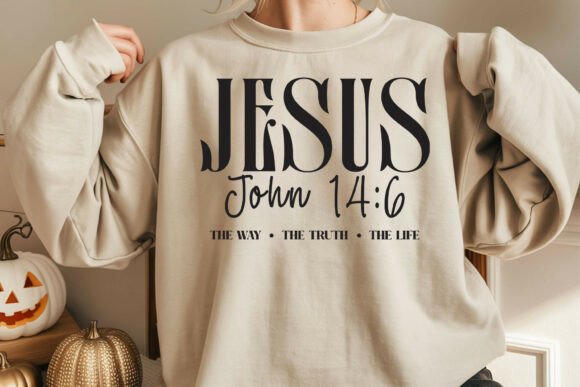
Jesus SVG, Faith SVG, Christian SVG
A Designer’s First Look: Clean, Reverent, and Ready for Real Stitching
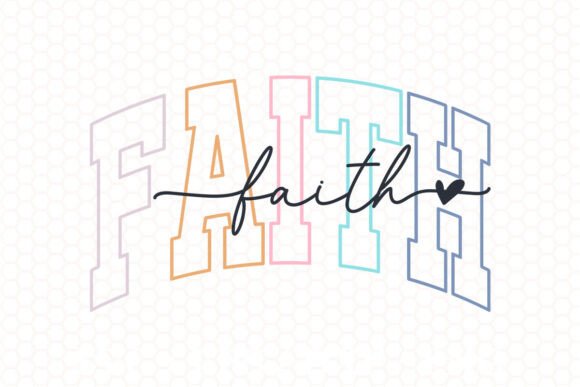
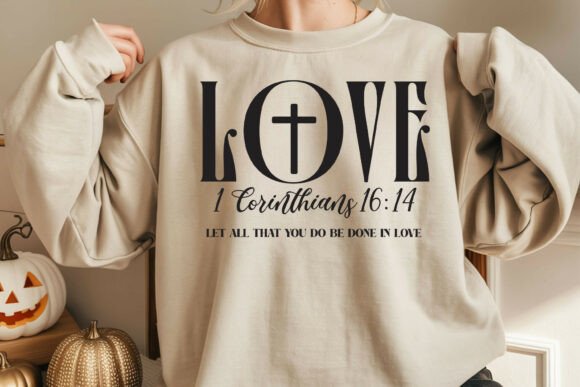
When I opened Jesus Svg, Faith Svg,Christian Svg in my embroidery software, what stood out wasn’t flashiness—it was quiet intention. The composition balances simplicity with symbolic weight: a central figure or cross motif (depending on the variant), often paired with subtle typography like “Faith” or “Jesus”—not ornate, but legible at 3–4 inches wide. There’s no visual clutter, no overwrought scrollwork or excessive flourishes that would trap thread or distort on knit fabric. As a designer who regularly sources digital embroidery files for client work and small-batch merchandise, I immediately saw its strength: it’s built for clarity, not complexity. It feels like a design made *for* stitching—not just drawn for screen display.
Real Project Test: A Custom Embroidered Tote for a Church Boutique
Last week, I used Jesus Svg, Faith Svg,Christian Svg to embroider a set of cotton canvas tote bags for a local church boutique—meant as welcome gifts for new members. I chose the “Faith” variation, centered on the front panel, sized to 3.8 inches wide. With medium-weight cutaway stabilizer and 40-weight polyester thread in navy on natural canvas, the result was crisp, grounded, and quietly confident. Customers responded to how *substantial* it felt—not flashy, but intentional. That’s the hallmark of a well-considered machine embroidery design: it enhances the handmade product without shouting. It didn’t compete with the tote’s texture; it complemented it. And because the letterforms are generously spaced and stroke-weight balanced, even at that size, every character read cleanly—no fused edges, no skipped stitches in curves.
Where It Shines—and Where It Needs Careful Handling
Jesus Svg, Faith Svg,Christian Svg performs reliably across common craft business applications: sweatshirt embroidery (especially on midweight fleece), pillow covers, tea towels, baby onesies (when scaled down thoughtfully), and embroidered patches for youth group gear. Its moderate stitch density makes it forgiving on standard home embroidery machines—no excessive jump stitches, no dense fill areas that risk puckering thin fabrics.
But here’s where attention matters:
- Small hoop sizes: Avoid using the full layout under 4x4 inches—some variants include delicate flourishes near the baseline that compress poorly below 3 inches tall.
- Stretchy or textured fabrics: On lightweight knits or terry cloth, always pair with tear-away + light cutaway stabilizer. The design’s clean lines rely on stability—without it, satin stitch edges can waver.
- Dark or heavily patterned backgrounds: Test thread color contrast early. A soft heather gray thread may disappear on charcoal fabric—even if it looks fine in your digital preview.
- Curved surfaces: For caps or curved apron pockets, opt for the simplified “Jesus” or “Faith” text-only version. Full motifs with integrated iconography tend to distort more on tight curves.
- Frequent-wash items: While the stitch structure holds up well, avoid ultra-fine decorative accents (like single-thread vines) on baby embroidery or kitchen towels meant for daily laundering.
What This Design Adds to Your Craft Business—Beyond the Stitch
As an Etsy seller and small shop product developer, I pay close attention to how a digital embroidery file affects perceived value and buyer trust. Jesus Svg, Faith Svg,Christian Svg reads as professional—not generic, not clip-art-y. That matters. When customers see consistent, well-executed faith-based designs on your custom apparel or personalized gifts, they associate your brand with care and reverence. It supports brand consistency across product lines: same motif on a nursery pillow cover, a holiday embroidery kit, and a wedding gift apron feels cohesive, not repetitive.
It also boosts giftability. People buy faith-themed items for meaningful moments—baptisms, confirmations, hospital visits, grief support. This design doesn’t distract from that purpose. Its restraint invites reflection, not decoration. That emotional resonance translates directly to engagement: higher conversion on listings, better repeat orders, and thoughtful customer notes (“My daughter cried when she opened it.”).
Practical Embroidery Designer Notes You Can’t Skip
Before you load Jesus Svg, Faith Svg,Christian Svg into your machine or list it in your digital shop:
- Test on scrap fabric first—especially if pairing with a new stabilizer or thread brand. Even simple-looking designs behave differently across fiber blends.
- Check stitch density in your software. If it exceeds 12,000 stitches for the main motif, consider simplifying or adjusting fill angles for smoother execution on budget machines.
- Confirm hoop size compatibility. Some versions include optional banners or background elements that push beyond 5x7—verify before committing to a large run.
- Inspect small details: Are serifs sharp? Do connecting strokes in script-style lettering maintain minimum width (≥0.6mm)? If not, they’ll vanish in fill stitch.
- Preview in black-and-white mockups. Faith-based buyers often imagine these on classic white tees or ivory linens—does the design retain impact without color cues?
- Use proper stabilizer: Cutaway for knits, tear-away for stable wovens, and fusible + tear-away for lightweight silks or rayons.
- Review licensing terms carefully. If you’re selling finished products (like embroidered sweatshirts or patches), ensure commercial use is explicitly permitted. If reselling the digital embroidery file itself, confirm redistribution rights.
Final Thought: A Thoughtful Tool, Not Just a Trend
Jesus Svg, Faith Svg,Christian Svg isn’t about chasing viral aesthetics—it’s about serving real needs in the Crafts space: the small shop owner building a curated collection, the church volunteer making baptismal blankets, the Etsy seller offering heartfelt personalized gifts. It works because it respects both the machine and the meaning behind the motif. Use it with intention, test it with care, and let its quiet strength speak through your finished product. That’s how good design supports faith—and craft—equally.