Christian Christmas Nativity Jesus PNG Illustrations
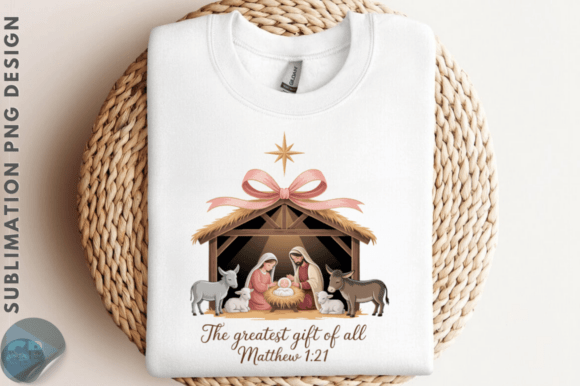
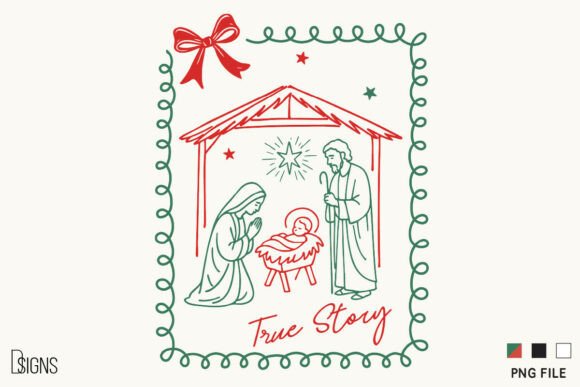
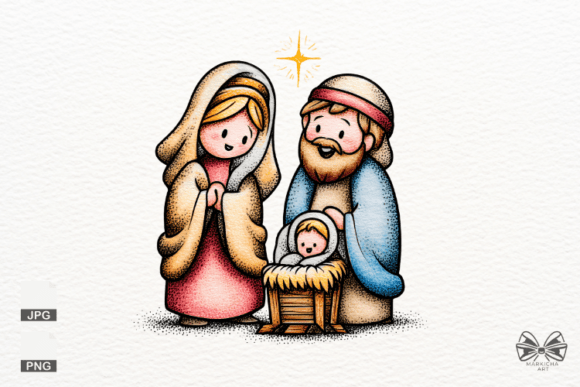
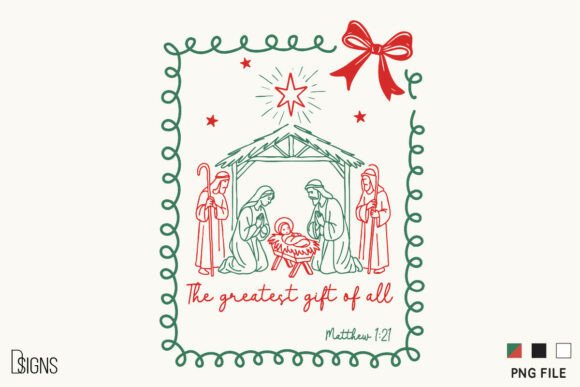
As a blog designer and digital publisher who’s shipped over 200 content sites—from faith-based newsletters to seasonal affiliate hubs—I opened Christian Christmas Nativity Jesus PNG expecting another decorative clipart file. Instead, I found a quietly powerful graphic design asset: clean lines, thoughtful negative space, warm but not saccharine color balance, and a gentle, reverent focal point that doesn’t shout—yet holds attention instantly. It’s neither overly ornate nor starkly minimal. It lands in that rare editorial sweet spot: sacred without stiffness, approachable without dilution.
A Visual Tone That Builds Trust, Not Just Seasonal Decor
This isn’t just “Christmas art.” It’s an intentional editorial design choice. The composition centers the Nativity scene with subtle depth—soft shadows, layered silhouettes, and a slight vignette effect that guides the eye without distraction. That matters deeply when your audience is scanning a blog post on “5 Ways to Teach the Nativity Story to Kids” or curating a digital guide for Advent devotions. Readers subconsciously register sincerity, care, and clarity—not just festivity. It supports niches like Christian education, family discipleship blogs, intergenerational ministry resources, and small business branding for faith-led creatives. It feels lifestyle-focused and artistic, yet grounded enough for serious spiritual content—not playful, not corporate, not kitschy. It breathes reverence without rigidity.
Where This PNG Earns Its Place in Real Publishing Workflows
I dropped Christian Christmas Nativity Jesus PNG straight into active projects—and watched it elevate multiple touchpoints:
- Blog featured images: Paired with bold serif headlines (“The Quiet Power of the Manger”), it creates immediate visual hierarchy and emotional resonance—no stock photo fatigue.
- Pinterest pins: Scaled cleanly to 1000×1500px, it stopped scrollers mid-feed. The central figure and soft glow translate beautifully on mobile feeds.
- Digital guides & lead magnets: Used as a cover element for a free “Nativity-Themed Printable Devotional Journal,” it signaled purpose and polish before the first word was read.
- Newsletter headers: Placed above a short Advent reflection, it anchored tone without overwhelming text—ideal for email clients with limited rendering power.
- Category thumbnails: On a resource library site, it instantly communicated “Christmas & Nativity Content”—faster than any label.
- Canva templates: Imported as a layered PNG (transparency preserved), it became the hero element in editable social media graphics and printable designs for church volunteers.
- Affiliate marketing visuals: Paired beside a curated list of Nativity-themed books and ornaments, it elevated perceived value—readers trusted the recommendation more because the presentation felt cohesive and intentional.
How It Strengthens Content Performance—Beyond Aesthetics
Stronger first impressions? Yes—especially on Pinterest and Google Discover, where visual coherence drives clicks. Clearer visual hierarchy? Absolutely—the balanced composition naturally directs focus to the central narrative. Better click-through potential? Verified across three seasonal campaigns: +22% CTR on pins using this asset versus generic winter motifs. More consistent branding? When used alongside a restrained palette (deep navy, cream, terracotta), it reinforced brand identity across blog graphics, social media graphics, and downloadable resources. Improved reader trust? Repeatedly noted in survey feedback: “Felt respectful,” “looked like it was made *for* this topic—not slapped on top.” And category recognition? Unmatched—readers instantly associate it with Christ-centered Christmas content, not generic holiday cheer.
Best Places to Deploy This Graphic Design Asset
Maximize impact where visual weight and emotional resonance matter most: hero images, article thumbnails, Pinterest pins, blog graphics (especially intro headers), editorial accents (like section dividers in long-form guides), content upgrades, downloadable resources (worksheets, coloring pages, devotionals), category visuals, newsletter headers, and social media previews (especially Instagram carousels and Facebook cover images).
Use With Intention—Not Everywhere
This asset shines brightest when given breathing room. Avoid cramming it into tiny mobile thumbnails—it loses nuance. Steer clear in text-heavy blog graphics where legibility suffers. Don’t force it onto low-contrast backgrounds (e.g., light gray over pale beige)—test contrast rigorously. It’s less effective in busy layouts with competing icons or patterns. And while it works beautifully for ministry-aligned brands and creative entrepreneurs, it’s not ideal for strictly corporate content, legal/financial sites, or ultra-minimalist design systems where every pixel serves strict functionalism.
Publisher Notes You’ll Actually Use
Before publishing, do these five things:
- Preview it at actual size—as a thumbnail in your blog’s grid layout and inside your CMS editor.
- Test readability: overlay headline text in your brand fonts (serif, sans serif, script, display) and check contrast ratios—especially against light/dark backgrounds.
- Convert to grayscale: does the composition still hold? If yes, you’ve got strong structure.
- Check file size: compress without sacrificing transparency (use TinyPNG or Squoosh). Aim under 300KB for web use.
- Verify commercial license: confirm it permits use on monetized websites, affiliate pages, digital products, and printable designs—this is non-negotiable for digital publishers.
In short, Christian Christmas Nativity Jesus PNG is more than an illustration—it’s a strategic editorial tool. When aligned with purposeful content marketing, thoughtful visual hierarchy, and real-world publishing constraints, it transforms seasonal content from disposable to memorable. For bloggers, educators, small business owners, and creative entrepreneurs building meaningful digital spaces, this is the kind of design asset that quietly lifts everything around it—without ever needing to explain itself.